Christmas Ornament Bow Embroidery Design
A Designer’s First Look: Charm, Clarity, and Quiet Joy
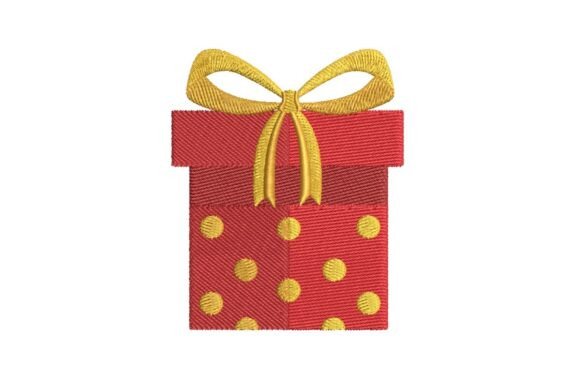
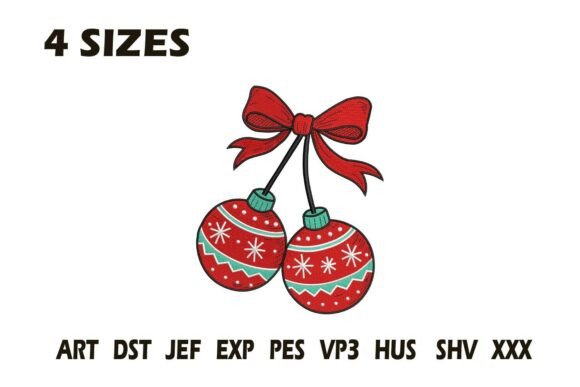
When I opened the Christmas Ornament Bow Embroidery Design, my first thought wasn’t about stitch count or hoop size—it was about feeling. There’s a gentle whimsy in the curve of the bow, the soft swell of its loops, and the subtle asymmetry that makes it feel handmade, not mass-produced. It doesn’t shout “Christmas!” with bells and glitter; instead, it whispers warmth—like a hand-tied ribbon on a baby’s onesie or a quiet accent on a linen pillow cover meant to last decades. This isn’t a loud holiday motif. It’s a tender, timeless detail: sweet but not saccharine, seasonal but not fleeting, playful without losing elegance.
Where This Design Truly Shines—And Who It Calls To
I tested the Christmas Ornament Bow Embroidery Design across six real-world personalized gift scenarios—and each time, it elevated the item’s emotional resonance. For baby embroidery, it added delicate meaning to organic cotton blankets and muslin swaddles, especially when paired with a monogram or birth date. As a wedding gift, it transformed simple linen napkins and embroidered towel sets into heirloom-ready keepsakes—soft, symbolic, and quietly romantic.
Small shop owners and Etsy sellers will love how this design performs in product photography: it catches light beautifully on natural fibers, reads clearly at thumbnail size, and adds instant visual cohesion to curated listings (think matching pillow covers + aprons + tote bags for a “Winter Hearth” collection). For custom embroidery previews, it scales gracefully—from 2.5 inches on a child’s apron to 4 inches centered on a throw blanket—without losing definition.
Nursery decor gains instant charm with this bow: stitched onto crib sheets, wall hangings, or wooden toy storage bins, it feels intentional, not kitschy. And for craft fairs? It’s a standout on reusable totes and tea towels—products customers associate with care, craftsmanship, and personal connection. That’s the quiet power of the Christmas Ornament Bow Embroidery Design: it doesn’t dominate the item—it honors it.
Smart Placement Matters: Where to Stitch With Care
This design is forgiving—but not magic. On textured fabric like terry cloth or bouclé, I recommend reducing stitch density slightly and using a medium-weight cutaway stabilizer to prevent puckering and ensure the bow’s curves stay crisp. For embroidered towel projects, avoid placing it directly over thick towel loops; center it on the flat hem or border instead.
Stretchy baby clothes need extra attention: test on scrap knit fabric first, use tear-away + lightweight cutaway combo stabilizer, and avoid tight curves near armholes or necklines where fabric distortion can blur fine details. Likewise, curved surfaces—like mugs with fabric sleeves or rounded pillow forms—require careful hooping and possibly repositioning mid-stitch to maintain symmetry.
On dark fabric, contrast is everything. I swapped standard white thread for a soft ecru and added a satin underlay to lift the bow’s shape—resulting in richer dimension without glare. And for products facing frequent washing (baby blankets, kitchen towels), confirm your thread colors are colorfast and consider a gentle zigzag satin stitch finish on outer edges to reinforce durability.
Why Customers Trust—and Return To—This Kind of Handmade Product
The Christmas Ornament Bow Embroidery Design builds trust before the first stitch. Its balanced proportions and clean line work signal quality—not just in execution, but in intention. When a customer sees this bow on a custom-ordered nursery pillow cover, they don’t just see decoration; they sense care, attention to detail, and respect for their story. That emotional connection boosts perceived value instantly: a $28 towel becomes a $42 keepsake. A $16 tote bag becomes a “first Christmas” memory carrier.
For small shop products, this design supports storytelling in listings: “Hand-embroidered with our signature ornament bow—stitched slow, made to hold meaning.” That language resonates with buyers seeking authenticity over algorithm-driven trends. And because the bow reads equally well solo or layered (with names, dates, or minimalist motifs), it invites repeat orders—new parents returning for baby’s second Christmas, couples ordering anniversary updates, or grandparents gifting yearly traditions.
Practical Notes Every Embroiderer Should Run Before Going Live
Before stitching your first customer order—or listing your next digital embroidery file on Etsy—run these checks:
- Test on scrap fabric that matches your final product’s weight, stretch, and texture—even if it’s just a 2"x2" swatch.
- Confirm hoop size compatibility. If your machine requires re-hooping for larger versions, note that in production timing.
- Review stitch density in your embroidery software. High density looks lush on stable fabrics but risks stiffness on knits or lightweight linens.
- Match stabilizer to fabric type: cutaway for knits, tear-away for stable wovens, and fusible + tear-away for nap-free velvet or silk-blends.
- Compare light and dark fabric mockups side-by-side—not just on screen, but stitched. Thread sheen and fill coverage shift dramatically.
- Check small details after stitching: the bow’s inner loop, knot center, and tail ends should be fully formed, not flattened or skipped.
- Verify commercial licensing before selling finished products. If the Christmas Ornament Bow Embroidery Design is labeled for personal use only, you’ll need explicit permission—or an alternate licensed version—for your handmade product business.
Finally, build a printable mockup library: one with the bow on ivory linen, one on charcoal terry, one scaled for baby blankets, another for aprons. These visuals help customers imagine the finished product—and reduce post-purchase questions about sizing or placement.
More Than a Holiday Design—A Signature Touch for Meaningful Gifting
The Christmas Ornament Bow Embroidery Design succeeds because it refuses to be disposable. It’s not just for December—it’s for the first snowfall a baby sees, the first holiday as newlyweds, the quiet pride of a small shop owner stitching something true. When used thoughtfully—with attention to fabric, stabilizer, thread, and story—it transforms everyday items into personalized gift anchors: small, sincere, and full of staying power. That’s the kind of machine embroidery design that earns word-of-mouth, repeat orders, and handwritten thank-you notes. And honestly? That’s why I keep it in my go-to folder year after year.