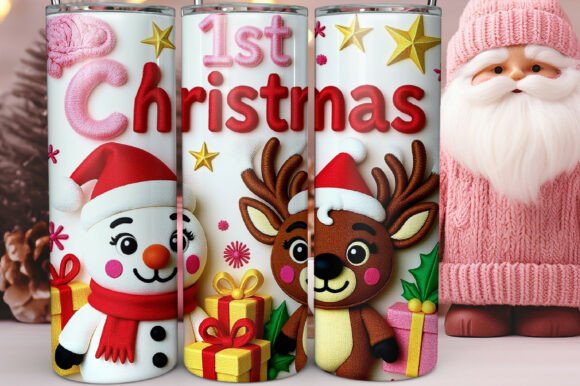
Latch Hook Yarn Faux Embroidery 1st PNG
A Designer’s First Look: Friendly, Handmade, and Ready for Branding
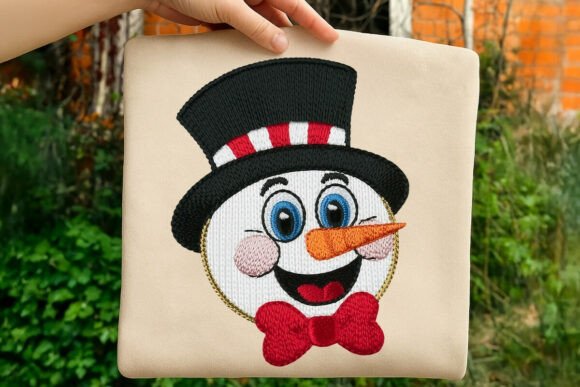
As an embroidery designer who’s digitized over 2,000 small business logos and patch designs, my first impression of Lintch Hook Yarn Faux Embroidery 1st PNG is immediate and positive: it reads as warm, approachable, and intentionally handmade—not generic or mass-produced. The title alone signals texture, craft, and tactile charm. Though the description doesn’t include visual details, “faux embroidery” paired with “latch hook yarn” suggests soft edges, implied stitch variation, and a relaxed rhythm—ideal for boutiques, bakeries, florists, pet brands, and creative studios seeking authenticity over polish. It’s not sleek tech-minimalist; it’s cozy, human-scaled, and emotionally resonant—the kind of design that makes customers pause, smile, and remember your name.
Real-World Business Use: Where This Design Shines
Lintch Hook Yarn Faux Embroidery 1st PNG works exceptionally well as a branded embroidered patch—especially for aprons, tote bags, staff caps, and sleeve accents on work shirts. Its implied yarn texture translates beautifully into actual embroidery when digitized properly: looped satin stitches, gentle fill transitions, and subtle density shifts mimic hand-latch-hooked depth without overwhelming thread count. For a café or flower shop, this design adds artisanal credibility to uniforms without looking cost-prohibitive. On a canvas tote bag or linen apron, it reinforces a handmade product ethos while remaining legible at 3–4 inches wide. As a chest logo on staff polos or a front cap accent, it balances visibility and charm—more distinctive than clipart, less formal than corporate monograms.
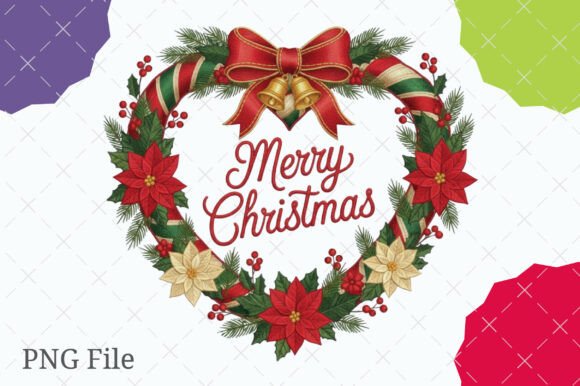
It also performs well in printable mockups and digital merch workflows. Since you receive PNG files at 9.3” x 8.2”, scaling down for tumbler wraps, sticker sheets, or product packaging labels is straightforward—just ensure vector conversion or high-res raster output for crisp reproduction. While categorized under Tumbler Wraps and Graphics, its versatility extends far beyond drinkware: think gift tags, seasonal window decals, Etsy listing banners, or even embroidered hangtags for handmade goods. As a digital embroidery file foundation, it’s a strong starting point for custom apparel shops needing fast-turnaround, brand-aligned assets.
Where to Proceed with Care
Because this is a faux-embroidery design—not a pre-digitized machine embroidery file—it requires thoughtful translation before production. Don’t assume it will stitch cleanly straight from the PNG. Test it at your target patch size first: if you need a 1.75” embroidered patch, shrink the artwork and check spacing, line weight, and detail retention. Tiny lettering or tight internal outlines may vanish or merge during digitizing, especially on textured fabric like twill or canvas. On dark uniforms, contrast becomes critical—review thread color pairings early, and avoid light-on-light combos unless using reflective or metallic threads.
Curved surfaces (like cap fronts or tumblers) demand special attention: the design’s proportions must accommodate distortion, and stitch density should be adjusted to prevent puckering. High-density fills may not hold up through frequent washing—ideal for boutique merchandise or event merch, but less suited for daily-use staff uniforms unless stabilized properly. Always use cutaway or medium-weight tear-away stabilizer for best results, and run a test sew on your exact fabric type before bulk production.
Brand Identity Impact: More Than Just a Logo
This design strengthens brand identity by signaling intentionality. When customers see Lintch Hook Yarn Faux Embroidery 1st PNG on a bakery’s apron or a florist’s tote, they subconsciously register care, craft, and local character—key differentiators in crowded markets. It builds trust because it avoids sterile perfection; instead, it feels human-made, relatable, and consistent with values like sustainability, community, and small-batch quality. Used across multiple touchpoints—caps, packaging, social media mockups—it creates visual consistency without monotony. And unlike generic stock art, it invites engagement: customers ask, “Who made this?”—which opens doors for storytelling, cross-promotion, and deeper connection.
Practical Designer Notes Before You Digitize
- Start in black and white: Convert the PNG to grayscale first to assess value contrast—critical for thread readability on varied fabric colors.
- Check small-scale legibility: Zoom out to 25% view. If shapes blur or details disappear, simplify before digitizing.
- Review thread color contrast: Print swatches alongside your brand palette. Avoid adjacent hues that visually vibrate or recede.
- Inspect spacing and kerning: Tight letter spacing or overlapping elements won’t survive stitching—add breathing room manually if needed.
- Confirm hoop size compatibility: At 9.3” x 8.2”, the full design fits standard 10” hoops—but verify your machine’s max embroidery area before scaling.
- Test on real fabric: Stitch a sample on your intended material—canvas, denim, twill—to assess drape, tension, and stabilizer performance.
- Create a client mockup: Layer the PNG onto a photo of your actual product (e.g., a tote bag or cap) before approving final art.
- Compare beside other design assets: Does it harmonize with your existing logo, font system, and color story—or does it clash tonally?
- Verify commercial licensing: Since this is a digital embroidery file for business use, confirm usage rights cover small business merch, resale items, and commercial embroidery projects.
Remember: Lintch Hook Yarn Faux Embroidery 1st PNG isn’t just decoration—it’s a strategic brand tool. When translated thoughtfully into embroidered patches, custom apparel, or cohesive merch systems, it elevates perception, deepens loyalty, and quietly tells your story every time someone wears or uses it.