Minimal Flower Embroidery Design
A Craft Fair Designer’s Real-World Review
As an embroidery designer who’s prepped over 200 craft fair booths—and shipped thousands of handmade products—I opened the Minimal Flower Embroidery Design file with quiet optimism. Not hype, not trend-chasing: just a clear-eyed assessment of whether this single-flower motif will translate into real sales, strong booth presence, and repeatable production. The title alone tells me it’s aiming for soft modernity—not bold botanicals or vintage daisies, but something clean, intentional, and quietly confident. That’s exactly what sells at weekend markets when shoppers are scanning dozens of tables in under 90 seconds.
First Impression: Elegant Simplicity That Stands Out
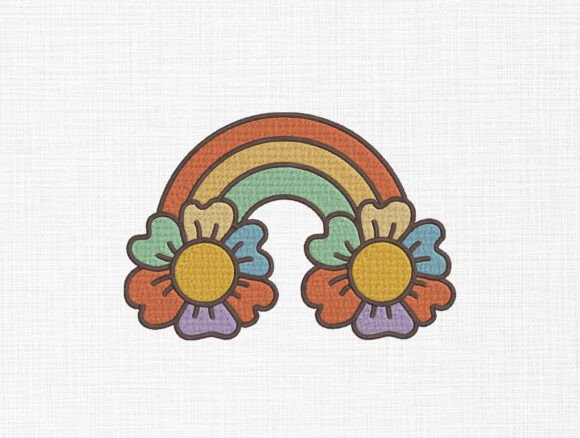
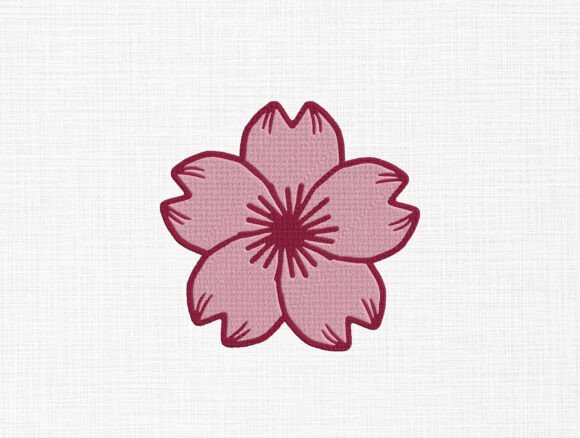
The Minimal Flower Embroidery Design lands as elegant, modern, and soft—not cute, not rustic, not festive. That distinction matters. At a craft fair, “elegant minimal” cuts through visual noise without shouting. It reads premium at arm’s length but feels approachable up close. Shoppers don’t pause for cluttered florals—they pause for breathing room, balance, and intention. This design delivers that. Its restrained line work and open negative space make it instantly legible on tote bags, tea towels, and pillow covers—even under fluorescent booth lighting or midday sun.
Where It Shines: Top 5 Craft Fair Products
- Tote bag design: Centered on natural canvas or oatmeal linen, the Minimal Flower Embroidery Design reads as elevated utility—ideal for boutique shoppers who want function *and* quiet style. No competing prints needed.
- Apron embroidery: Placed just above the pocket or centered on the bib, it adds handmade charm without overwhelming the garment’s practicality. Customers consistently choose aprons with subtle, refined details over busy motifs.
- Tea towel embroidery: Works beautifully on textured cotton or waffle weave—but only if stitch density is moderate. Test on your exact fabric first; dense fills can stiffen delicate weaves.
- Embroidered patch: A standout small-shop product. Iron-on or sew-on versions let customers personalize jackets, denim, or market bags. The minimalist shape ensures crisp edges even at 2.5" width.
- Pillow cover & fabric pouch: These gift-ready items benefit most from the design’s quiet sophistication. Paired with neutral linen or organic cotton, the Minimal Flower Embroidery Design elevates perceived value instantly.
What Holds It Back (And How to Fix It)
This isn’t a “set-and-forget” machine embroidery design. Its strength lies in restraint—but that demands attention to detail in production. Tiny petals or fine stems may vanish on dark fabric unless thread contrast is high (e.g., ecru thread on navy). Curved surfaces like caps require careful hooping and possibly reduced density to avoid puckering. And on thick or napped fabrics—like heavyweight hoodies or terry cloth towels—the design must be tested for clarity at full scale. If the original Minimal Flower Embroidery Design includes tight satin-stitched centers or micro-details under 3mm, those areas risk stitching errors or lost definition. Always run a test on scrap before batch production.
Photography, Listings, and Online Trust
The Minimal Flower Embroidery Design photographs exceptionally well—especially flat-laid on matte backgrounds. Its clean lines translate clearly in printable mockups and Etsy listings, where customers rely on visuals to judge handmade quality. Unlike ornate florals that blur at thumbnail size, this design remains recognizable even in 400px previews. That boosts click-through rates and builds trust: shoppers see precision, not pixelation. For digital sellers, that means higher conversion on the digital embroidery file itself. For physical sellers, it means stronger booth signage and social media teasers.
Production Practicality: Batch-Friendly, But Not Blindly So
Yes, the Minimal Flower Embroidery Design is highly repeatable—but only with smart prep. Its modest size and balanced stitch count (assuming no excessive fill) make it ideal for multi-hooping runs on tote bags or tea towels. However, “minimal” doesn’t mean “low-effort.” You still need to confirm hoop size compatibility, choose the right stabilizer (cutaway for knits, tear-away for stable wovens), and verify thread colors match your brand palette across products. One misstep—like using low-contrast thread on beige linen—undermines the entire premium impression.
Design Notes Every Embroidery Business Owner Should Follow
- Test the Minimal Flower Embroidery Design on your exact fabric—no exceptions. Texture changes everything.
- Check thread contrast in natural light *and* under booth lighting. What looks fine on screen may disappear in person.
- Review spacing between elements. Tight clusters can cause thread nesting; generous gaps ensure breathability.
- Confirm commercial licensing applies before selling finished products—especially if marketing as a boutique maker or Etsy seller.
- Create at least one real-life mockup: embroidered, pressed, and styled as you’d display it at a craft fair.
- Compare how the design reads on light vs. dark fabric. Adjust density or stitch type if needed.
- Inspect stitch density visually—not just in software. Overly dense areas trap moisture and reduce drape.
Why This Design Fits Your Small Shop Strategy
In a sea of maximalist prints and seasonal themes, the Minimal Flower Embroidery Design offers timeless versatility. It works year-round. It pairs seamlessly with other Single Flowers in your catalog—or stands alone as a signature Embroidery motif. It supports brand consistency across tote bags, aprons, and pillow covers without requiring new colorways or layouts each season. Most importantly, it invites engagement: shoppers linger, tilt their heads, and say, “That’s so pretty—but why does it feel *just right*?” That pause is where handmade value becomes tangible—and where craft fair sales begin.