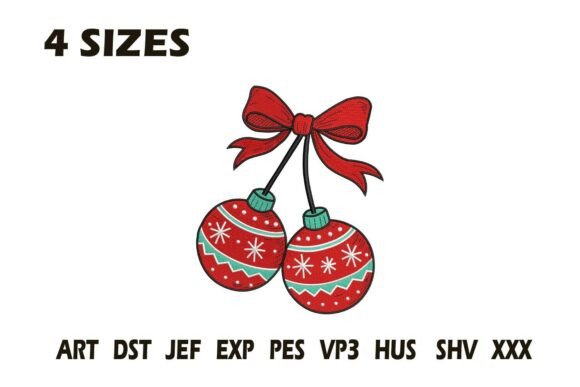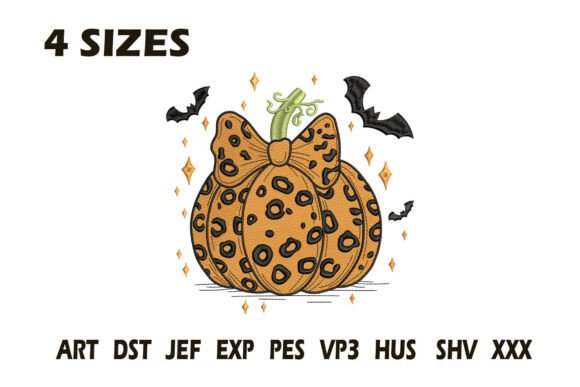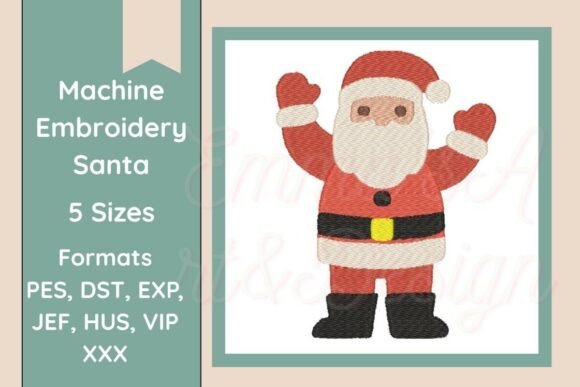
Ornament Embroidery Design
First Impression: Festive, Flexible, and Booth-Ready
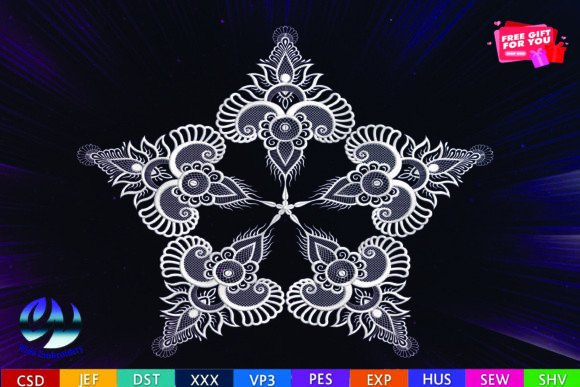
As an embroidery designer who’s prepped over 200 craft fair booths—from snowy holiday markets to sun-drenched summer artisan fairs—I opened Ornament Embroidery Design expecting charm, and got clarity. The title alone signals intention: this isn’t just a generic snowflake or bauble—it’s a curated, repeatable motif built for handmade storytelling. Based on the description (“Logo applique will look great stitched on clothes, a bag, or even as quilt block or t-shirts”), it leans into versatility over novelty. It feels festive without being seasonal-only, elegant without stiffness, and decorative without sacrificing wearability. That balance is gold at a craft fair—where shoppers scan your table in under three seconds.
Where It Shines: Real Products, Real Foot Traffic
Tote bags: Ornament Embroidery Design works beautifully centered on the lower front panel of natural canvas or linen totes. Its scale reads clearly from six feet away, and the logo applique style adds dimension that catches light—and eyes—as customers walk past.
Aprons and tea towels: On aprons, place it subtly near the pocket or chest flap; on tea towels, anchor it in one corner with balanced negative space. The design’s clean lines hold up against kitchen textures—no lost detail in terry loops or woven cotton slubs.
Embroidered patches and small pouches: This is where Ornament Embroidery Design becomes a bestseller. As a standalone patch (3”–4” wide), it’s giftable, collectible, and perfect for pinning onto denim jackets or stitching onto drawstring pouches. Customers love tactile, portable handmade products—and patches are low-risk impulse buys.
Pillow covers and caps: On pillow covers, pair it with solid-color linen or velvet for instant boutique appeal. On caps? Use it on the back strap or side panel—not the curved front—where stitch integrity stays strong. Avoid dense ornament fills on structured caps unless you’ve tested stabilizer layers first.
Quilt blocks and t-shirts: As a quilt block, its symmetry and defined edges make piecing intuitive. For t-shirts, stick to mid-weight jersey or cotton blends—avoid ultra-stretchy blanks unless you’re using cutaway + topping stabilizer. The logo applique construction helps it lift cleanly off fabric, giving that premium handmade finish buyers associate with quality embroidery.
What Makes It Sell—Beyond Pretty Stitches
This isn’t just another digital embroidery file. Ornament Embroidery Design delivers real commercial value because it’s instantly legible. At a craft fair, no one stops to decode tiny flourishes. This design communicates warmth, care, and craftsmanship in one glance—critical for booth conversion. It photographs well for Etsy listings: clean background shots show stitch texture, while lifestyle mockups (e.g., embroidered tote on a rustic market table) build emotional connection. And yes—it’s batch-friendly. Once you dial in thread colors and hoop placement, you can run 15–20 identical pieces without repositioning or redesigning.
Careful-Use Notes Every Designer Must Check
- Dense stitch areas: Applique designs often layer satin stitches over fill. Test on scrap fabric—especially dark or textured towels—to confirm no puckering or skipped stitches.
- Small lettering or fine lines: If the ornament includes script or delicate borders, verify readability at 2.5” width. Tiny details blur on thick fabrics or curved surfaces like cap fronts.
- Fabric texture matters: Tea towel embroidery needs medium-weight tear-away + topping; quilting cotton may need light cutaway. Never skip testing on your actual production fabric.
- Hoop size & spacing: Review the included formats—if the largest version requires a 6x10 hoop but your machine only runs 5x7, you’ll need to resize or re-digitize. Also check spacing between elements if using multiple ornaments per item.
Design Assets That Build Your Brand—Not Just Your Booth
When customers see Ornament Embroidery Design repeated across your tote bags, patches, and pillow covers, they recognize consistency—not clutter. That repetition builds trust and makes your small shop product feel intentional, not random. It strengthens booth display strength: a cohesive color palette (say, sage green thread on cream linen) paired with this single versatile design creates visual rhythm across your table. Buyers engage longer when they sense curation—and that’s where handmade quality meets brand consistency.
Pro Designer Checklist Before You Stitch a Single Piece
- Test Ornament Embroidery Design on scrap fabric matching your final product—same weight, weave, and dye lot.
- Check thread contrast: Light thread on dark fabric needs higher density; dark on light may need topping stabilizer for sheen control.
- Review spacing and alignment—especially if combining with text or secondary motifs.
- Confirm hoop size compatibility across all 10 formats. Don’t assume “10 formats” means all sizes fit your machine.
- Inspect stitch density in tight curves or corners—over-stitching causes gummy buildup; under-stitching loses definition.
- Use the right stabilizer: Cutaway for stretchy knits, tear-away for stable wovens, and topping for napped or textured surfaces.
- Create at least one real mockup—not just a printable mockup—to assess drape, hand-feel, and perceived value.
- Compare how it looks on multiple fabric colors. A design that pops on ivory may vanish on oatmeal.
- Verify commercial licensing terms before selling finished products—this is non-negotiable for Etsy sellers and boutique makers.
Final Thought: A Workhorse, Not a One-Hit Wonder
In the Beauty and Embroidery category, trends come and go—but timeless, adaptable design assets like Ornament Embroidery Design keep selling year after year. It’s not flashy. It doesn’t shout. But it earns attention through thoughtful execution, reliable performance, and quiet confidence. For craft fair sellers, handmade shop owners, and digital sellers alike, this embroidery file isn’t just another download—it’s a foundation piece. Use it to launch a collection, refresh your booth lineup, or add polish to your next batch of small shop products. Just remember: great machine embroidery design starts with respect for fabric, thread, and the hands holding your finished product.